
“You look like a protagonist.”
― Rainbow Rowell, Eleanor & Park
To understand how to write the perfect character you need to understand the types that exist.
What they take to become fully rounded characters for the screen, is not that different from characters in books.
But for the screen, you must learn how to portray a character as if they are being watched through the eyes of others.
Without characters there is no story, no TV show or movie.

Level One: The Protagonist
The protagonist is the main centerpiece of all stories, they make the key decisions that drive the movie forward.
For example, let’s take Luke Skywalker, the main character in many Star Wars Movies. He is a relatable character because we’ve all had a moment where we want to aspire to be something more. A moment where we want to escape the bondage of our home life and routine.
A situation in Luke’s story that resonates with a lot of us in multiple different ways is when Darth Vader saves him.
Darth Vader saved Luke not because he had nothing better to do, but because he loved his son. We all can relate to the love of a parent or a parental figure.
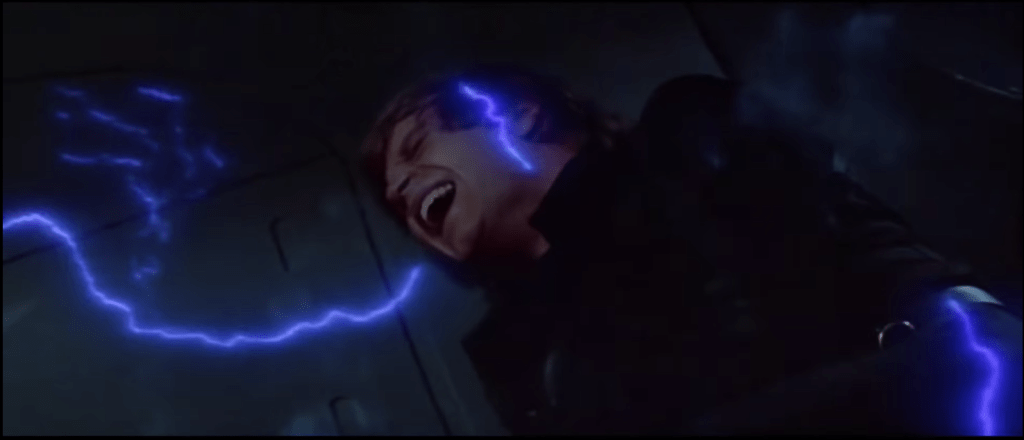
We can relate to loving someone so much that we would do anything we could for them.
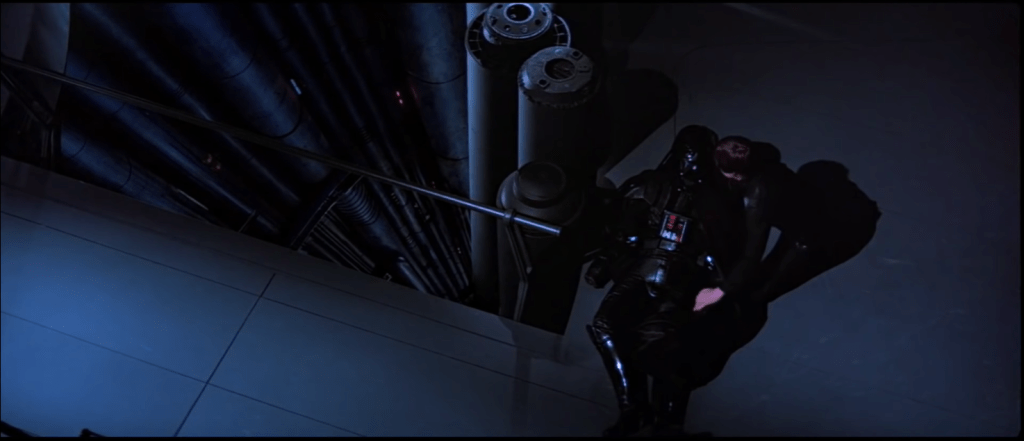
A character’s experiences on-screen shape us as much as it shapes the character. Seeing how it impacts them, brings us to a place where we remember how we felt during a similar situation.
Here are some types many of us can relate to.
The Chosen Ones
These are the primary protagonist types.
- Classical Hero/Superhero: Ex- Luke Skywalker, Atticus Finch and King Arthur
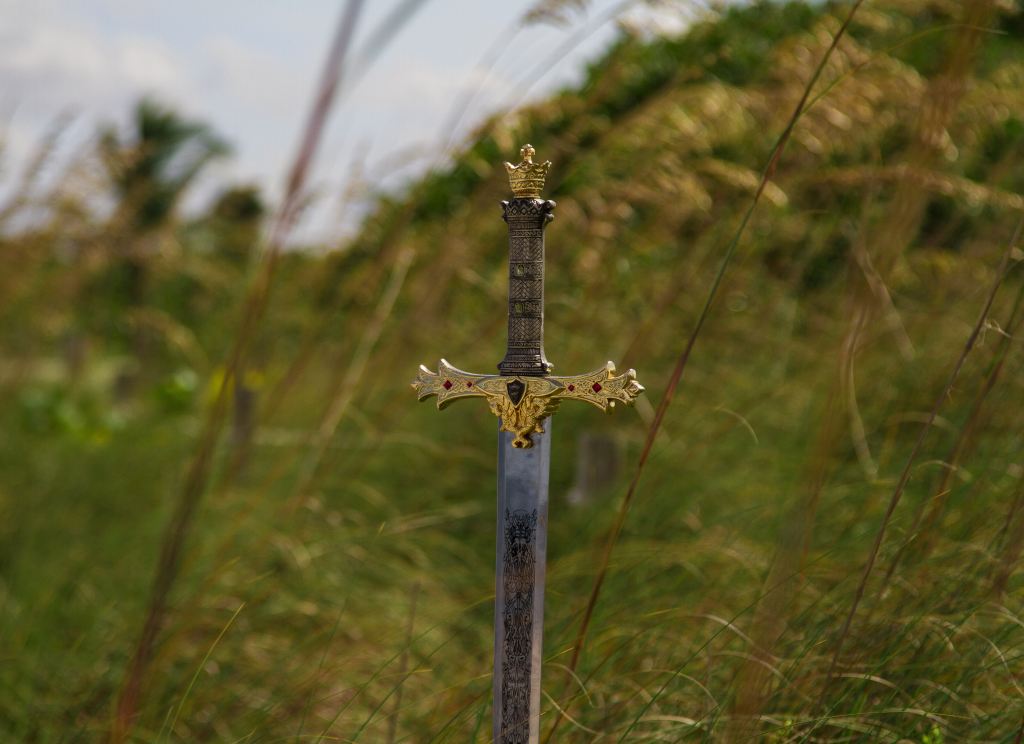
These types are normal people, except they possess great talent. This talent or attribute distinguishes them from others.
This makes them a hero. It propels them to greatness because people have a need that only this person can fulfill.
Thus, it leads them to have an emotional quest, and then a great battle ensues.
A classical/superhero story ends with the death of themselves or someone close to them.
- Everyman Hero: Ex-Marty McFly, Bilbo Baggins, and Ron Weasley
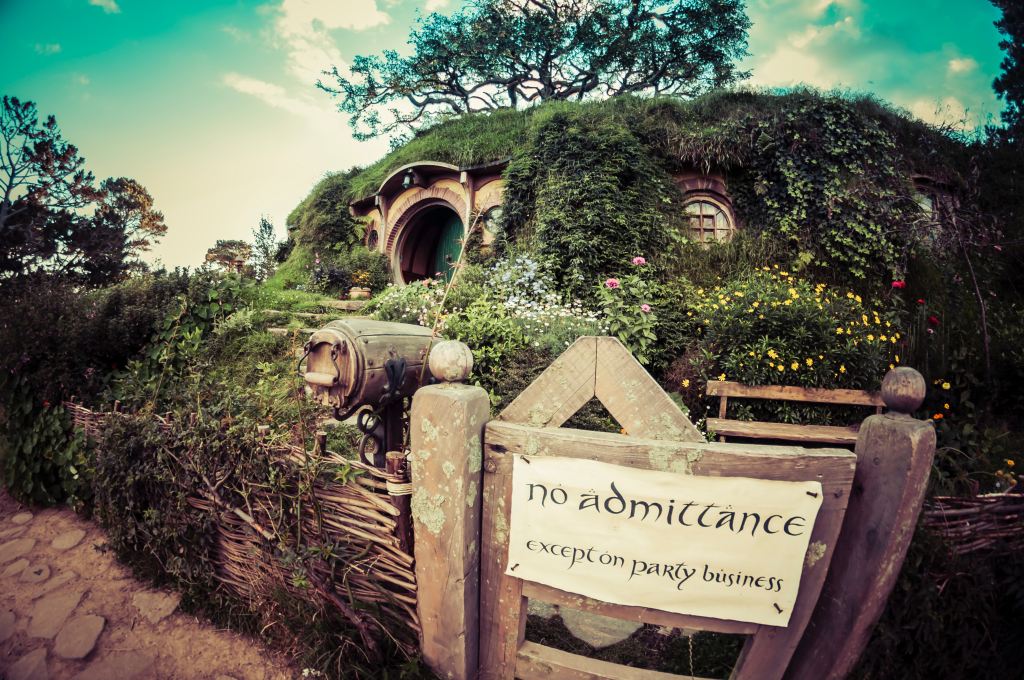
This type is for an ordinary individual who is specifically meant to be relatable and someone the audience identifies with.
They have NO OUTSTANDING abilities or attributes. Everyman characters are forced or placed in extraordinary situations that call for heroic actions.
Where they excel is having moral judgment and selflessness that many don’t in the face of danger.
- Tragic Hero: Ex-Batman, Davy Jones, and Severus Snape
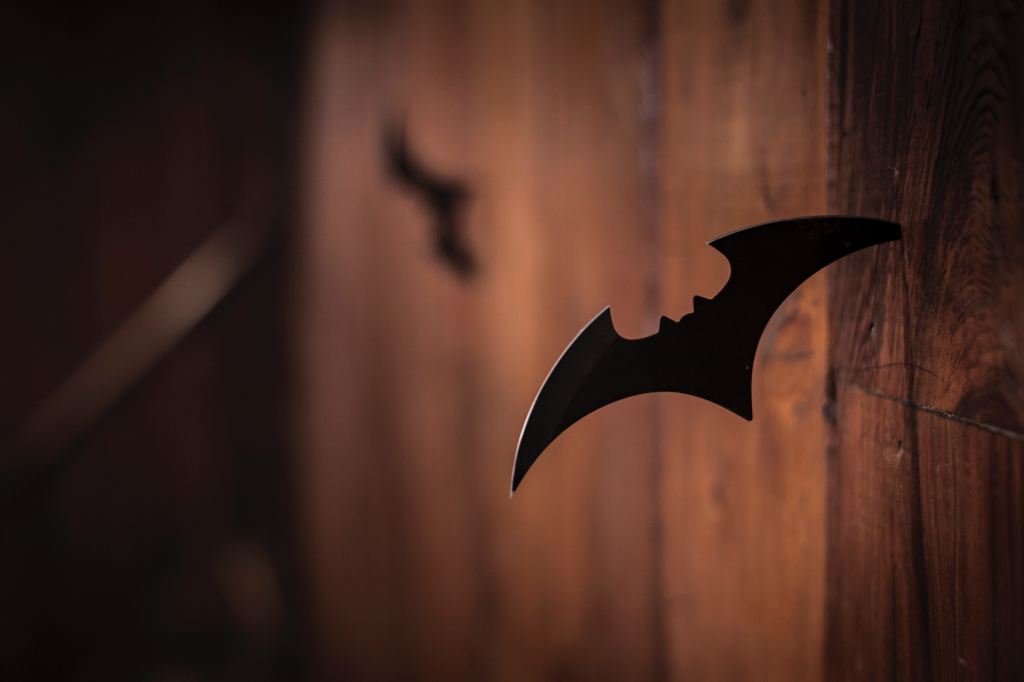
These characters come out of the womb with heroic qualities and many are of noble birth. Some are born into a silver-spoon kind of life.
Tragic Heroes are doomed by fate and eventually succumb to it. There is a supernatural force to defeat or a villainous person to overcome.
Their pride always gets in the way, the belief that they are better than the natural order of things.
As they fall, there can be a reversal of fortune that gives the hero a chance to make a critical discovery about themselves.
Regardless of this the hero still falls but learns something in the process.
- Epic Hero: Ex- Beowulf, Gilgamesh, and Captain America
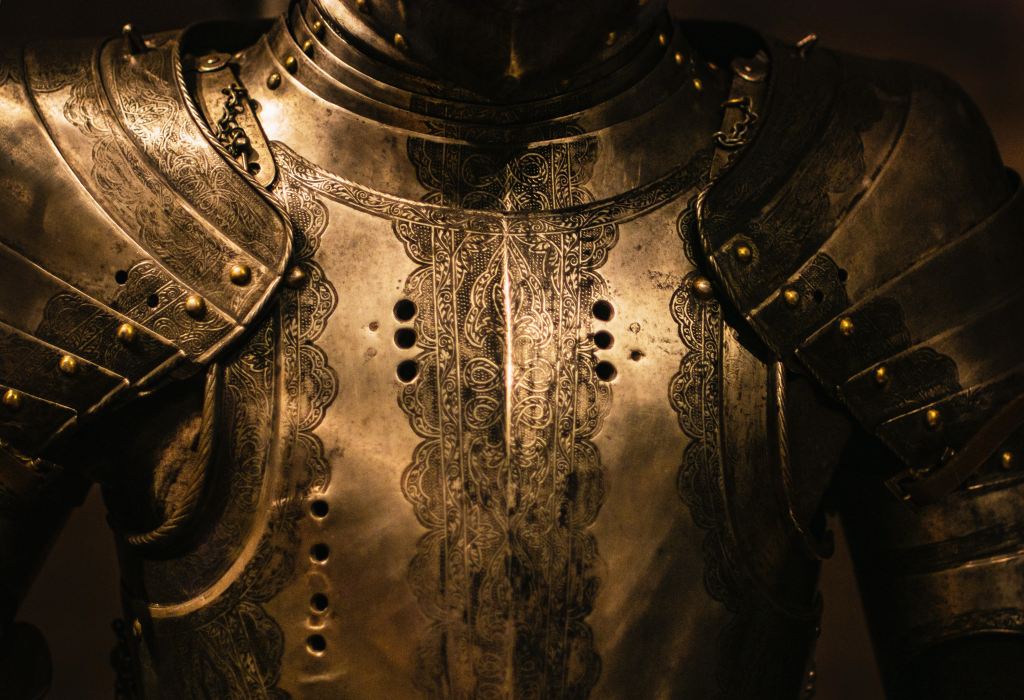
This hero must be a human whose fortune was brought about by his own characteristics, that have been admired by others. They are usually larger than life.
The potential for greatness based on these characteristics propels them into a quest or adventure. The quest is followed by the constant mention of their reputation.
This character is the embodiment of good deeds, glory, and self-sacrifice. Many are willing to sacrifice themselves for the greater good.
- Anti Hero: Ex-Venom, Walter White, and Gregory House.
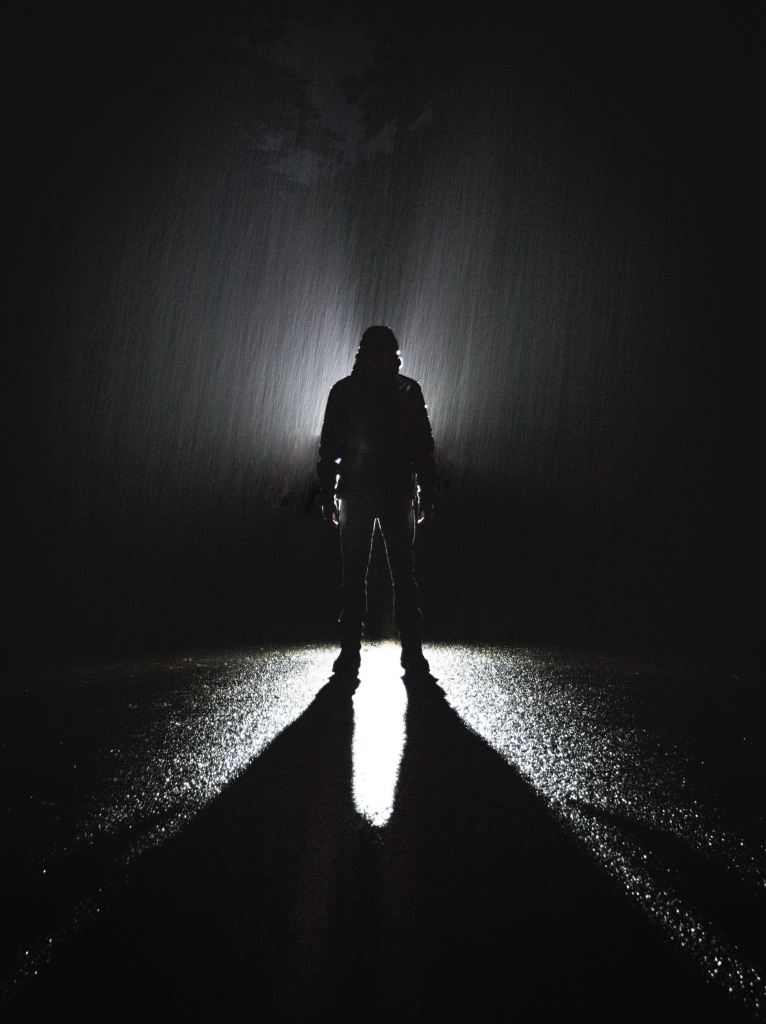
This character lacks or plainly does not have conventional heroic characteristics. They display villainous attributes or those bordering on villainous.
They will do the right thing but for the wrong reasons. Anti-heroes can be morally grey. They live between right and wrong, the black-and-white area.
They can be an embodiment of poor mental health ranging from familial abuse. Along the lines, they may fluctuate between heroic deeds and villainous acts but never tend to stay in one category for too long.
Protagonist’s Skeleton
The first step is that you need to find out what hero type speaks to you and relates to, and flesh out the skeleton of your character.
The skeleton is the background, the personality, and the family they do or do not have anymore.
The muscles are the appearance, the attitude they hold towards the world. Their likes and dislikes. It’s also the visual cues and ticks they display.
The flesh is how they grow throughout the story. How the audience perceives them and relates to them is the most important part of the characters on the screen.
 The Movie Order's Base