Featured

Understanding the Weapons: Movie Review – Star Wars

“That’s not how the Force works!”

— Han Solo

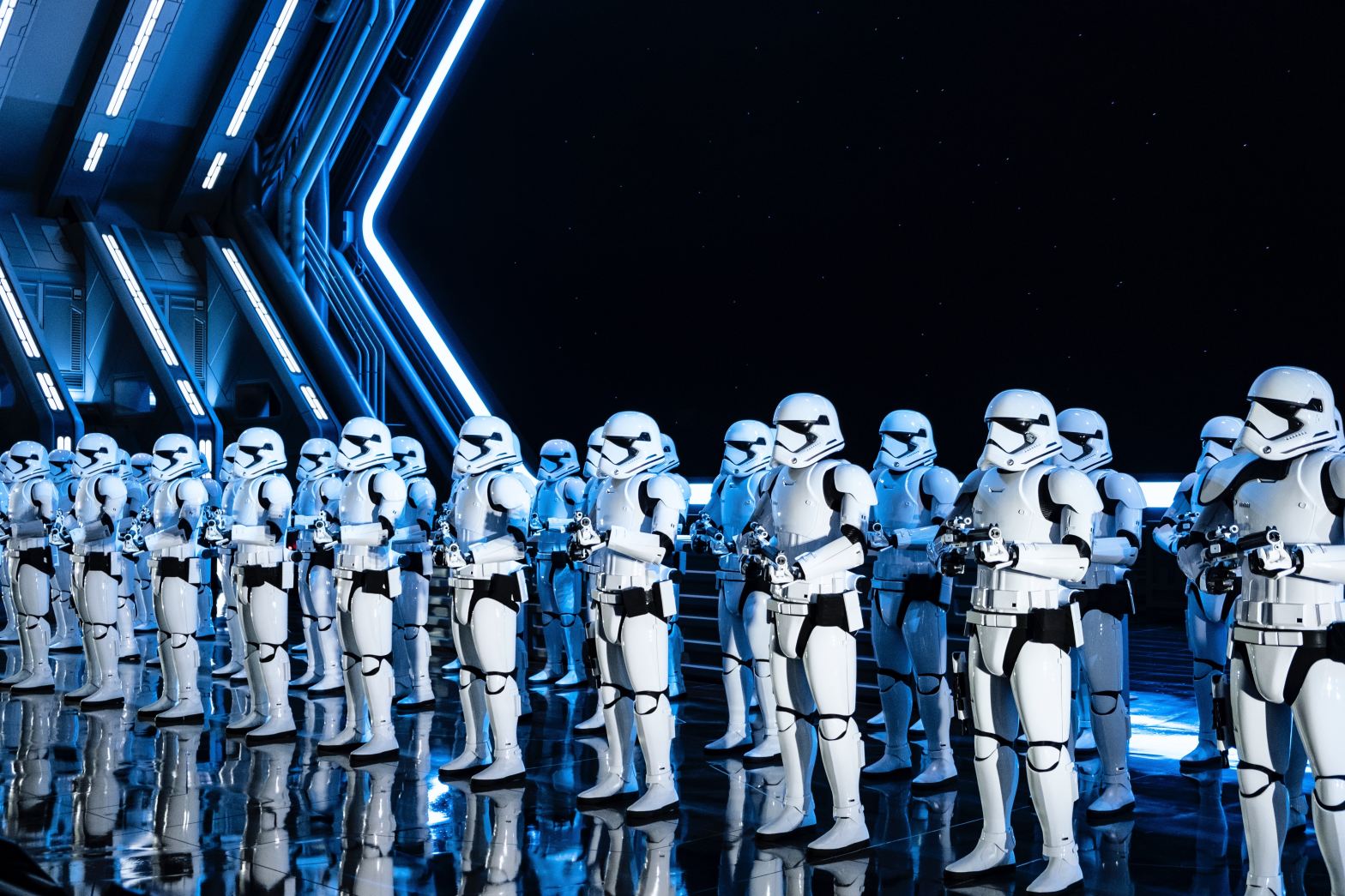
From 1977 to 2019 Star Wars has been a roller coaster of highs and lows. Being such an extensive series there are some things I love, some things I disagree with and do not like.
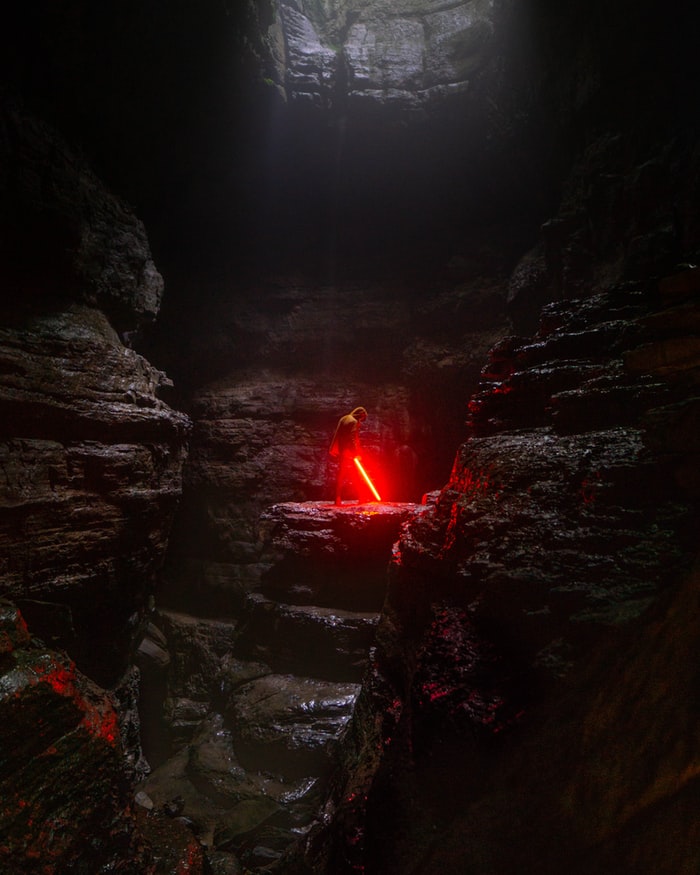
Photo by Cade Roberts on Unsplash

Here are just a couple reviews, critiques and opinions about the sequel trilogy.

_Links Contain Spoilers_

The Force Awakens: The Beginning
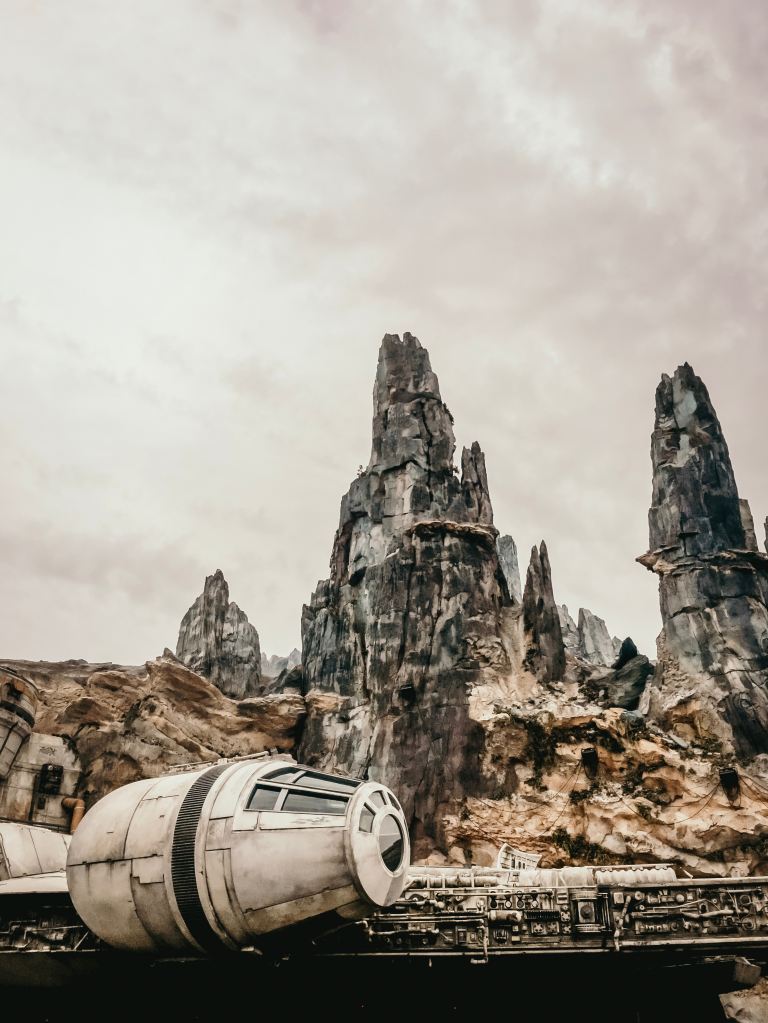
Photo by Christian Crocker on Unsplash

I know from reading, writing and watching movies that some beginnings are hard.There is so much you want the audience to know but there is so little time.

I think that the Force Awakens is a good attempt at trying to make it clear what period in the universe this story is taking place, who is the ruler or one in power and where the main character stands in this world. 

The main character is Rey, an orphan child holding onto the notion her parents are coming back to get her. Right off the bat, every single one of us has had the notion that our parents wouldn’t abandon us.

That they are here to help us and love us. Rey is going through that moment in the beginning and it follows her throughout the movies.

I found this facet of her character fascinating because in many situations if a character has this issue it would get fixed quickly. Something else would become more important.

It would not be given as much attention as it has gotten in this movie. Finding your true family, learning to love and trust again is critical to our lives. We relate to Rey because of it and that makes her more likable. 

One of many critiques I have about the Force Awakens is that they did not include more Darth Vader/Anakin into the story. Despite Rey being the main character all three movies heavily focused on Luke’s relationship with Kylo Ren.

Kylo Ren’s one true motive is to emulate Darth Vader.

So it would only make sense to include more details, scenes, and revelations about him.

After some research, I discovered that they originally planned for the plot of Force Awakens to be a massive search for Darth Vader’s remains and home. 

They planned a whole visit to Darth Vader’s castle so it would link back to the Original Trilogy. That would have been so interesting and answer so many questions that were left unanswered.

But alas that idea was thrown into the junkyard of Jakku. 

The Last Jedi
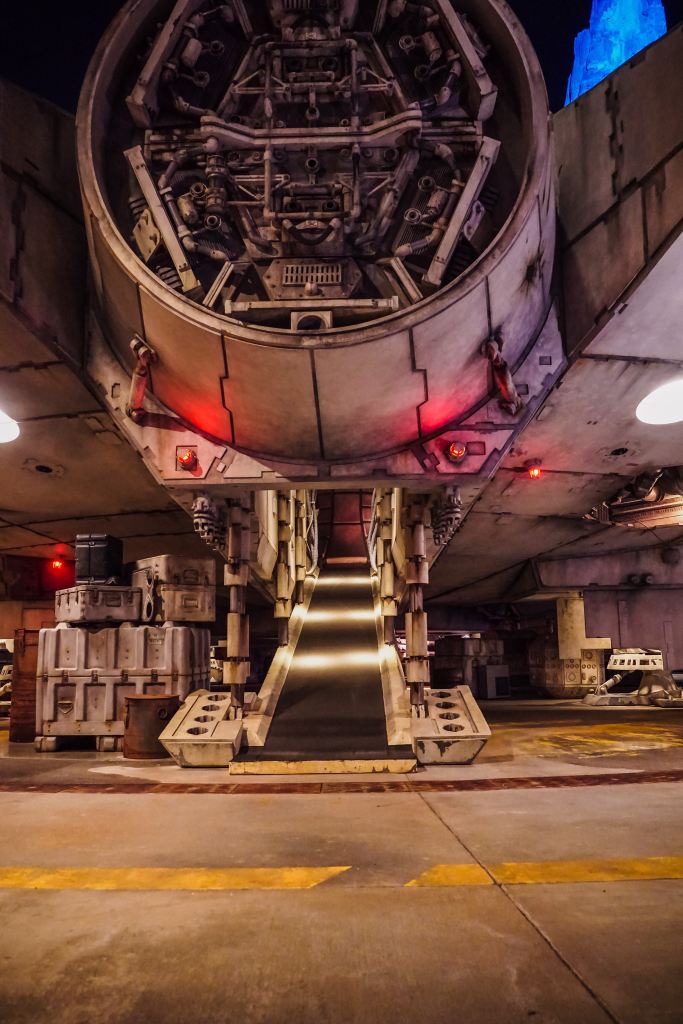
Photo by Rod Long on Unsplash

Now Jakku is in the rearview mirror, Rey, Finn and Poe are moving on to bigger, more dangerous and life-threatening things. 

My all-time favorite thing about the Last Jedi is the fighting, the action part of it all. The visual effects were amazing.

Despite who was fighting who and the reasons, the action as a singular entity was great. I always loved watching the fights with lightsabers. It was always so flawless. 

Production-wise this movie was magnificent, the CGI on Snoke, Maz and all the native aliens looked so detailed and it looked as if it fit there.

The critiques about the Last Jedi are that we get no information about who Snoke is! Nothing other than he is the Supreme leader of the First Order and aims to kill all Jedi. 

He looks deformed, abnormally large and extremely powerful but we learn nothing about him. They missed some prime plot furthering ammunition. Another thing that pushes me into plot continuity limbo. 

The Rise of Skywalker: The Ending
Photo by Juskteez Vu on Unsplash

+ I am going to keep this spoiler-free + 

First off, let me just say I like this movie, I do. The relationship progression was my favorite part.

I liked the complexity of Poe’s, Finn’s and Rey’s relationship and how they evolve as individual characters throughout the movie.

I’m a sucker for good character arc. I also loved Kylo Ren’s character redemption arc. It was long overdue but ended on a sour note for me. 

The biggest critique is that they should have included Anakin’s force ghost to talk to Kylo Ren. It would have made what happened to mean so much more!

They missed a golden chance to complete the Skywalker Story. 

There are more things I have to say about each of these movies. This is a spoiler-free zone and I hate for things to be spoiled and I know many of you feel the same.

There will be a spoiler full version of each of these movies in the future so be prepared. These are very good movies if you are a fan of Star Wars, intense characters, and sci-fi. I recommend seeing them at least once.

May the Force be with you.

Phase One: The Soldiers- Protagonists

“You look like a protagonist.”

― Rainbow Rowell, Eleanor & Park

To understand how to write the perfect character you need to understand the types that exist.

What they take to become fully rounded characters for the screen, is not that different from characters in books.

But for the screen, you must learn how to portray a character as if they are being watched through the eyes of others.

Without characters there is no story, no TV show or movie.

Photo by Thought Catalog on Unsplash

Level One: The Protagonist

The protagonist is the main centerpiece of all stories, they make the key decisions that drive the movie forward.

For example, let’s take Luke Skywalker, the main character in many Star Wars Movies. He is a relatable character because we’ve all had a moment where we want to aspire to be something more. A moment where we want to escape the bondage of our home life and routine.

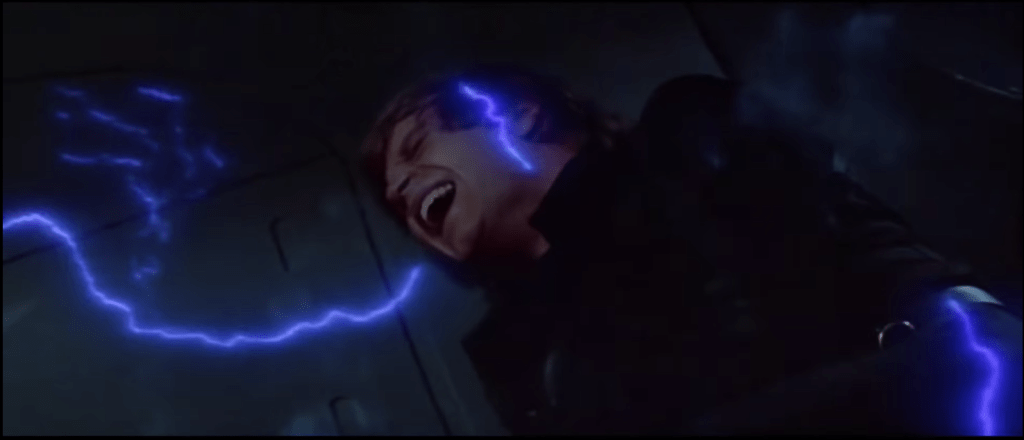
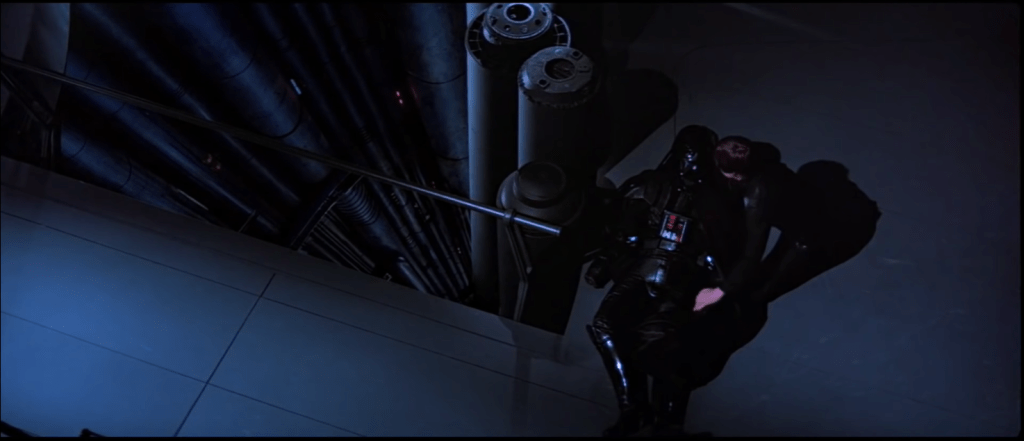
A situation in Luke’s story that resonates with a lot of us in multiple different ways is when Darth Vader saves him.

Darth Vader saved Luke not because he had nothing better to do, but because he loved his son. We all can relate to the love of a parent or a parental figure.

Screenshot from youtube

We can relate to loving someone so much that we would do anything we could for them.

Screenshot from youtube

A character’s experiences on-screen shape us as much as it shapes the character. Seeing how it impacts them, brings us to a place where we remember how we felt during a similar situation.

Here are some types many of us can relate to.

The Chosen Ones

These are the primary protagonist types.

Photo by Ricardo Cruz on Unsplash

These types are normal people, except they possess great talent. This talent or attribute distinguishes them from others.

This makes them a hero. It propels them to greatness because people have a need that only this person can fulfill.

Thus, it leads them to have an emotional quest, and then a great battle ensues.

A classical/superhero story ends with the death of themselves or someone close to them.

Photo by Thandy Yung on Unsplash

This type is for an ordinary individual who is specifically meant to be relatable and someone the audience identifies with.

They have NO OUTSTANDING abilities or attributes. Everyman characters are forced or placed in extraordinary situations that call for heroic actions.

Where they excel is having moral judgment and selflessness that many don’t in the face of danger.

Photo by ActionVance on Unsplash

These characters come out of the womb with heroic qualities and many are of noble birth. Some are born into a silver-spoon kind of life.

Tragic Heroes are doomed by fate and eventually succumb to it. There is a supernatural force to defeat or a villainous person to overcome.

Their pride always gets in the way, the belief that they are better than the natural order of things.

As they fall, there can be a reversal of fortune that gives the hero a chance to make a critical discovery about themselves.

Regardless of this the hero still falls but learns something in the process.

Photo by Nik Shuliahin on Unsplash

This hero must be a human whose fortune was brought about by his own characteristics, that have been admired by others. They are usually larger than life.

The potential for greatness based on these characteristics propels them into a quest or adventure. The quest is followed by the constant mention of their reputation.

This character is the embodiment of good deeds, glory, and self-sacrifice. Many are willing to sacrifice themselves for the greater good.

Photo by Steve Halama on Unsplash

This character lacks or plainly does not have conventional heroic characteristics. They display villainous attributes or those bordering on villainous.

They will do the right thing but for the wrong reasons. Anti-heroes can be morally grey. They live between right and wrong, the black-and-white area.

They can be an embodiment of poor mental health ranging from familial abuse. Along the lines, they may fluctuate between heroic deeds and villainous acts but never tend to stay in one category for too long.

Protagonist’s Skeleton

The first step is that you need to find out what hero type speaks to you and relates to, and flesh out the skeleton of your character. 

The skeleton is the background, the personality, and the family they do or do not have anymore.

The muscles are the appearance, the attitude they hold towards the world. Their likes and dislikes. It’s also the visual cues and ticks they display.

The flesh is how they grow throughout the story. How the audience perceives them and relates to them is the most important part of the characters on the screen.

Phase Two: The Enemy – Antagonists

“Behind every villain is a truth, whether it be perceived or actual.”

― Dalton Frey, The Darkest Light

The flip side is where it gets interesting, the antagonist is opposite the protagonist in many ways. They are the characters that oppose the protagonist.

It can be more than one person, an institution or a mystical, mythological force. It is the character on the screen that causes the audience to understand the protagonist even more.

Many antagonists are becoming more relatable and more emotional than anything else. 

An antagonist CAN NOT exist without a protagonist because then there is nothing for the antagonist to oppose.

From Cinderella to The Princess and The Frog, the antagonist has always been the typical bad or evil figure.

Antagonists are harder to create than the protagonist. So delving deeper into your own philosophy will help decide which ones speak to you more.

Photo by Paul Zoetemeijer on Unsplash

Knowing Thy Enemy

Here are some other Antagonist Types:

Photo by Larm Rmah on Unsplash

This is the most common mold, Disney’s favored type. They are typically selfish with evil intentions.

Planning numerous attempts to hinder the protagonist.

Their desires conflict with the hero and they believe their needs are more important than others. That they deserve it more.

Photo by Austin Neill on Unsplash

These are special antagonists-in my opinion the hardest to get right.They are characters with intentions that are noble and pure. Fully believing they are doing it for the betterment of their world.

Regardless of this they will try to stop the hero protagonist’s plans in any way they can. They see them as wrong despite the protagonist’s good intentions.

Despite being a hero antagonist, another type of antagonist can exist in the same story. This creates a bit more of a complicated world because it is where there is only one protagonist.

Photo by Jed Villejo on Unsplash

A group antagonist is not just one person, it can be multiple people or a whole country, or government.

This is the hardest one to make the audience relate to because it is people instead of a person and nonhuman entities.

We can’t relate to the government forcing kids to fight for their lives ending in death, or a bunch of children being put into camps and killed off.

Photo by Bret Kavanaugh on Unsplash

This antagonist is one of the more widely used ones as of late. It is NOT human. It can be an animal, like the killer shark in Jaws or a natural disaster like the one in San Andreas.

In this sense, it is very hard to relate to the antagonist here because it’s not human and unfortunately, WE are.

Despite lacking everything that we need to connect and relate to this antagonist it usually helps us relate more to the protagonist/hero.

In this situation, many of us know what it’s like to deal with a  natural disaster and some know what an animal attack feels like, so it propels us to the protagonist.

Photo by Sydney Sims on Unsplash

The best antagonist to form a connection with is the one in our head, and hearts. The antagonist is strictly an internal flaw the character has.

YOU cannot tell me you’ve never had an internal struggle with yourself. A flaw you have to get over or have gotten over.

This antagonist is harder to spy because it is never truly the only antagonist. These characters need triggers and many people see the trigger as a culprit.

It is the most relatable because we can share the same struggles as the character on screen. We can relate as to how the character is dealing with-or has dealt with.

Antagonist’s Skeleton

So, for the second step you need to find out what villain type speaks to you the most. Make sure it is the one that complements your hero/protagonist the most.

Then you repeat the skeleton from the protagonist’s post.

Watch movies that fit your preferences, watch the dynamic between the protagonist and antagonist because it will reveal more about them than what is seen on screen.

Design a site like this with WordPress.com
Get started